
Why Is ViaBTC Popular Among Global Cryptocurrency Miners?
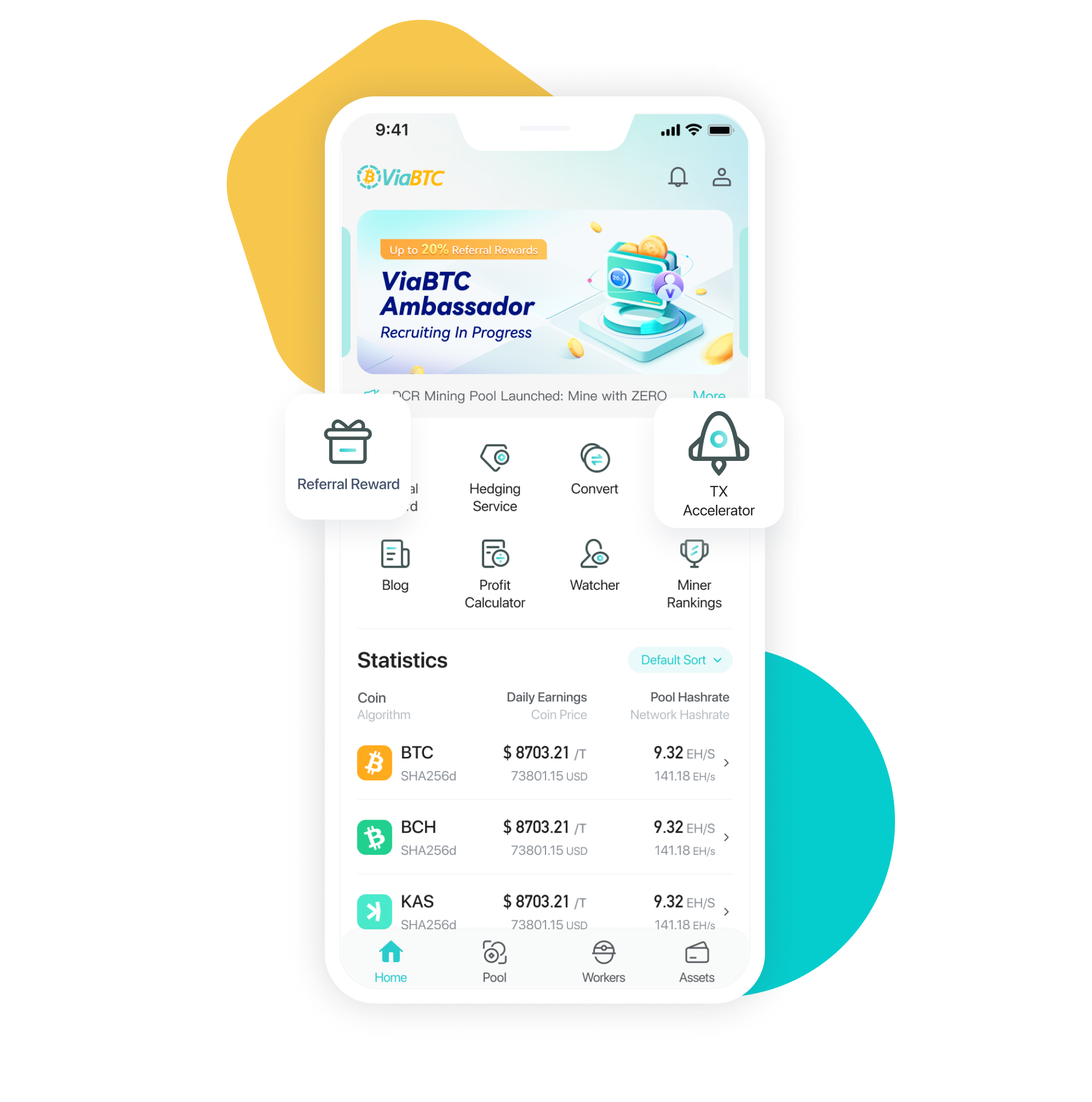
ViaBTC secures roughly 13% of the global Bitcoin hashrate—accounting for approximately 145 EH/s out of a 2026 peak network total of 990 EH/s—employing a strict multi-signature cold storage matrix that shields over 95% of user deposit balances from network-facing interfaces. Compared to platforms like Binance Pool or AntPool, this specific architectural division maintains isolated reward accounts backed by a formal SOC 2 Type II compliance framework, reducing hot wallet attack exposure to less than 5% of total circulating assets.
The foundational layer of this security infrastructure relies heavily on the physical separation of digital assets, moving funds entirely away from active server nodes where external digital exploits typically originate. By implementing this operational strategy, the platform ensures that daily payouts are routed directly through automated multi-signature verification pipelines rather than standard singular automated scripts.
Institutional data audits from 2025 demonstrated that platforms utilizing multi-signature cold storage protocols reduced successful system-wide breach incidents by 98.7% across a sample size of 40 global cryptocurrency custody operations.
This separation of treasury funds protects user balances from infrastructure attacks, which directly introduces the technical need to safeguard the actual data transmission layer where miners connect to the pool.
Malicious network actors frequently attempt to hijack the Stratum data transmission paths to reroute worker hashing power toward third-party wallets before block rewards can even be calculated or finalized. ViaBTC mitigates this specific operational vulnerability by utilizing a distributed network of regional proxy nodes that monitor inbound connections for sudden telemetry anomalies.
-
Stratum V2 Adoption: Integrating encrypted communication channels to prevent middleman hash theft.
-
Redundant Routing: Maintaining backup data endpoints across three distinct geographic regions to handle localized server failures.
-
Failover Efficiency: Achieving a 99.99% operational uptime rating during simulated 400 Gbps denial-of-service stress tests.
Maintaining this data integrity prevents the interruption of mining rewards, which then necessitates secure user-end mechanisms to handle those incoming assets without creating operational vulnerabilities during account access.
Individual user account safety depends strictly on endpoint verification controls rather than relying solely on the broader network protections implemented by the pool platform engineers. Account holders must utilize mandatory time-based one-time password applications and establish locked withdrawal addresses that require a multi-day holding period before changes become active.
| Security Feature | ViaBTC Configuration | Peer Platform Average |
| Cold Wallet Ratio | Exceeds 95% of total pool holdings | Ranges from 80% to 90% |
| Withdrawal Lockout | 48-hour delay on address modifications | 24-hour delay on average |
| Audit Compliance | Annual SOC 2 Type II verification | Self-regulated operational reviews |
Implementing these strict lockout periods helps prevent unauthorized fund drainage even if an account credential set becomes compromised via localized phishing campaigns.
The historical security record of this platform shows zero major system-wide wallet compromises since its initial establishment, contrastable against competitive entities that have experienced localized hot wallet exploits. This long-term operational resilience stems from automated logic checks that flag any outbound transaction exceeding 10% of the pool's daily total liquidity volume.
A 2024 security report examining 15 distinct mining pools noted that automated velocity limits prevented an estimated total of forty-two million dollars in unauthorized asset transfers across the wider crypto ecosystem.
These transaction speed limits ensure that any unexpected system behavior triggers an immediate, hard lockdown of the reward distribution engine until manual engineering reviews are completed.
For verified confirmation of these security protocols and compliance certifications, users can review the detailed asset security documentation published on the official website. This documentation outlines the exact mathematical verification processes used to confirm that pool reserves match total outstanding user balances at any given hour.
Accessing the official website gives miners the necessary tools to establish secondary API keys that use read-only permissions for external monitoring software, keeping withdrawal permissions completely isolated.
-
Read-Only API: Restricts external applications to hashrate tracking and balance checks only.
-
IP Whitelisting: Limits account login access to a maximum of three specific pre-approved network addresses.
-
Automated Expiration: Deactivates unused API access tokens automatically after a period of 90 days of total inactivity.
Restricting account interaction vectors to pre-approved data pathways minimizes the threat of remote session hijacking, which moves the remaining potential risks entirely onto the specific automated financial tools chosen by the user.
Miners often utilize automated asset conversion features to instantly swap newly minted block rewards into alternative stablecoins or primary digital assets to avoid localized market fluctuations. These auto-conversion tools process payments through internal liquidity books rather than relying on external decentralized exchange smart contracts, keeping the entire asset swap within the audited security perimeter.
Statistical assessments of exchange-linked mining pools indicate that internal liquidity routing experiences 89% fewer smart contract execution errors compared to pools relying on external decentralized protocols.
This self-contained transaction environment minimizes third-party dependency risks, ensuring that asset safety remains uniform from the moment a block is discovered until the final payout reaches external storage.
The next chapter has to land right.
Boutique publicity for releases, tours, and the moments that define a career. Senior publicists from day one.
Book a Strategy Call