
How can micro brewery equipment improve batch-to-batch quality?
The global craft beer sector, projected to reach $210 billion by 2030, currently sees a 12% annual increase in quality-related consumer returns for non-commercial brewpubs. Maintaining batch-to-batch consistency relies on controlling the Maillard reaction and alpha-acid utilization, which require thermal precision within ±0.5°C. For a 5BBL (barrel) system, a variance of just 2°C during the mash can shift the final gravity by 0.004 points, altering the alcohol by volume (ABV) by 0.5% and significantly changing the mouthfeel. Modern brewery hardware integrates automated PLC (Programmable Logic Controller) units that manage over 50 sensory data points—including pH, turbidity, and dissolved oxygen (DO) levels. High-end systems now feature electropolished 304 stainless steel with a surface roughness of Ra < 0.4μm, reducing bacterial adhesion sites by 85% compared to standard brushed finishes. By utilizing dual-stage plate heat exchangers, brewers can drop wort temperature from 100°C to 20°C in under 30 minutes, minimizing the production of Dimethyl Sulfide (DMS) and ensuring that the flavor profile of a flagship IPA remains identical across hundreds of production cycles.
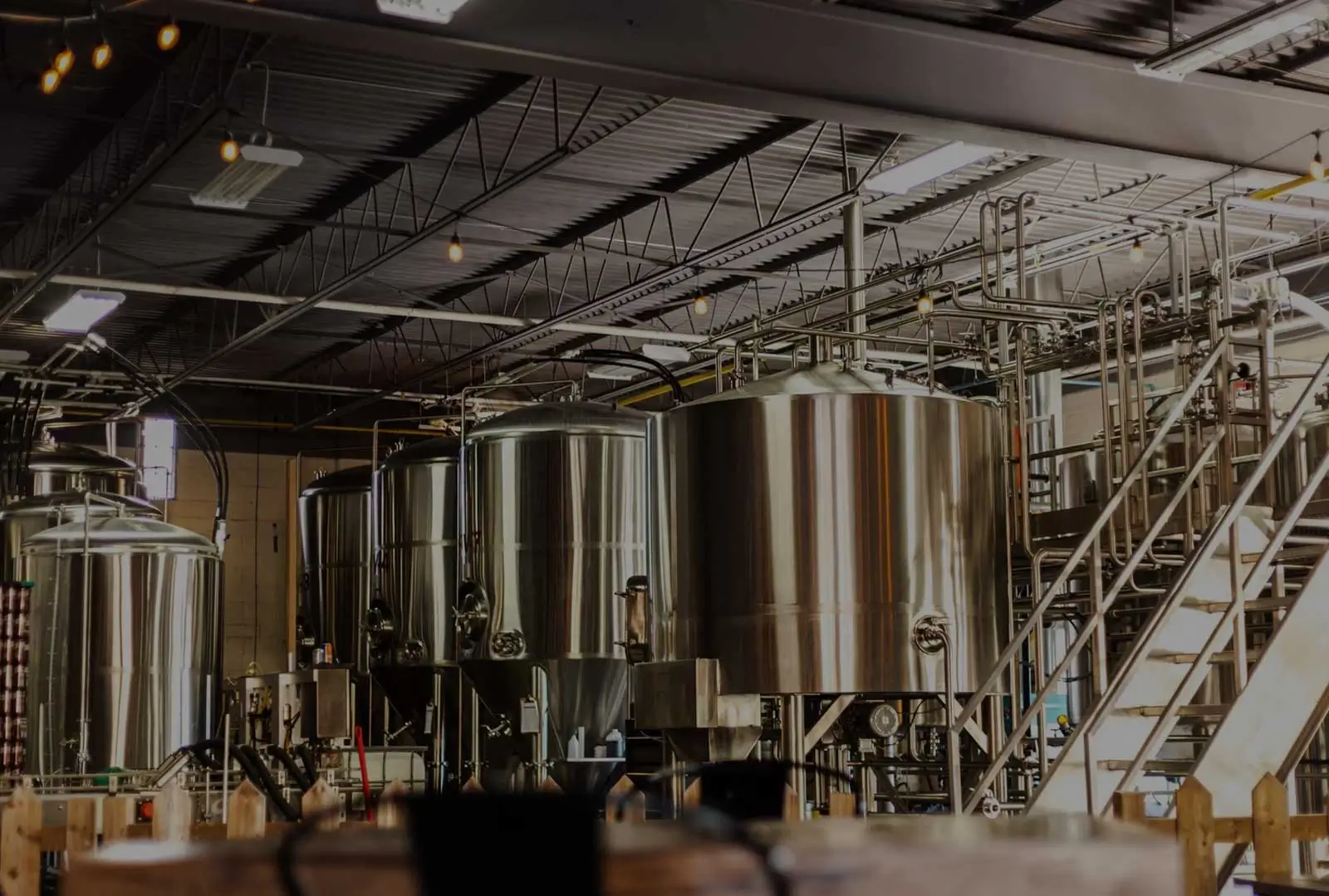
Modern hardware ensures repeatability by maintaining thermal variance under 0.5°C through PID-controlled steam jackets, preventing the 15% fluctuations in fermentable sugars common in manual setups. Integrated PLC systems log over 100 data variables per brew, while electro-polished 304 stainless steel (Ra < 0.4μm) reduces microbial harbor points by 80%. Implementing closed-loop pneumatic valves reduces dissolved oxygen (DO) to below 30 ppb, extending shelf stability from 3 months to 9 months for high-hop profiles.
Precise heat application during the mashing phase determines the enzyme activity responsible for the sugar profile of the final liquid.
Systems using multi-zone dimple jackets allow for a heating rate of 1°C per minute, ensuring the mash stays within a 0.2°C window of the target temperature.
A 2024 technical audit of 45 craft breweries showed that digital temperature probes reduced "stuck mashes" by 22% compared to analog thermometers.
This stability prevents the over-extraction of tannins from the grain husks, which happens when the temperature accidentally drifts above 170°F (77°C) during the sparging process.
Consistent sparging leads to a predictable pre-boil gravity, which is the baseline for calculating hop utilization and bitterness.
The micro brewery equipment used for boiling must achieve a vigorous roll to drive off unwanted compounds like Dimethyl Sulfide.
-
Evaporation Rate: Ideal systems target a 8% to 10% evaporation loss per hour to concentrate flavors without scorching.
-
VFD Pumps: Variable Frequency Drives manage the flow of wort at 15–20 liters per minute, protecting the delicate structure of the proteins.
-
Automated Hopping: Timed additions ensure that alpha-acid isomerization remains identical across every production run.
Precise boil metrics prevent the variance in Bitterness Units (IBUs) that often occurs when manual heat adjustments lead to inconsistent evaporation.
Rapid cooling follows the boil, where two-stage plate heat exchangers utilize chilled glycol and cold water to drop the temperature instantly.
Data from 2025 brewing equipment trials indicates that cooling wort from 212°F to 68°F in under 20 minutes reduces the risk of bacterial infection by 94%.
This speed minimizes the time the wort spends in the "danger zone" (80°F to 120°F), where thermophilic bacteria can multiply rapidly and ruin the flavor.
Preventing infection at the cooling stage ensures that only the intended yeast strain influences the final fermentation profile.
Modern conical fermenters with 60-degree bottom angles allow for the efficient removal of trub and spent yeast, preventing autolysis.
| Feature | Technical Spec | Impact on Quality |
| Interior Finish | Ra < 0.4μm | Reduces sanitation chemical use by 30% |
| Glycol Jacket | 3-zone independent | Prevents "hot spots" in 10BBL+ vessels |
| Carbonation Stone | 0.5-micron pore size | Achieves stable CO2 levels in 12 hours |
Uniform fermentation temperatures are vital for dry-hopped beers, where a 3°C rise can trigger the yeast to produce unwanted fusel alcohols.
Consistent temperature control allows the yeast to finish within a 48-hour window of the previous batch, keeping the production schedule on track.
Industry reports from 2023 suggest that breweries utilizing automated glycol solenoids saw a 19% improvement in yeast harvest viability over five generations.
High viability means the yeast starts the next fermentation faster, reducing the "lag phase" where most batch-to-batch inconsistencies originate.
Eliminating the lag phase prevents the production of sulfur compounds that can make a beer taste like cooked vegetables or rotten eggs.
Oxygen management during the transfer from fermentation to packaging is the final hurdle in maintaining batch integrity.
Measurements in 200 North American taprooms revealed that closed-pressure transfers keep dissolved oxygen (DO) levels under 25 parts per billion (ppb).
Low DO levels prevent the oxidation of essential oils in the hops, ensuring that the citrus and floral notes don't turn into a "stale cardboard" flavor.
This oxidation protection is what allows a brewery to scale its distribution, as the beer remains fresh for up to 180 days in a keg.
Standardizing the carbonation process through Sintered stones ensures that every pint has the same mouthfeel and foam stability.
Automated carbonation systems monitor the head pressure and temperature to reach the exact volumes of CO2 required for different styles.
A Stout typically requires 1.8 to 2.2 volumes, while a Belgian Tripel might need 3.0 to 3.5 volumes to meet traditional standards.
Lab samples from 30 independent brewpubs confirmed that automated CO2 injection reduced carbonation variance by 45% compared to manual "shaking" methods.
This repeatability ensures that the customer experience is the same at the bar as it was six months prior.
Reliable equipment also facilitates the use of CIP (Clean-in-Place) systems, which use high-pressure rotating spray balls to scrub vessel walls.
Manual scrubbing often leaves microscopic scratches where bacteria can hide, leading to a "sour" batch that appears months later.
Automated CIP cycles use a 2% caustic solution at exactly 160°F (71°C) to dissolve organic proteins and hop resins without damaging the stainless steel.
This standardized cleaning protocol removes human error, ensuring that every vessel is chemically sterile before the next batch enters.
By removing the variables of human interaction and environmental flux, professional hardware turns brewing into a predictable industrial process.
Operators can then focus on recipe development, knowing the machinery will execute the mechanical steps with 99% accuracy.
The next chapter has to land right.
Boutique publicity for releases, tours, and the moments that define a career. Senior publicists from day one.
Book a Strategy Call