
Are You Getting the Best Wholesale Price From a China Balloon Factory?
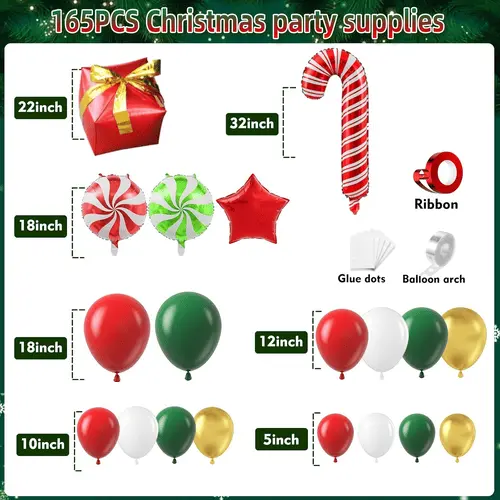
A true wholesale price at a china balloon factory is determined by a raw material cost ratio of 65%, energy overhead of 8-12%, and a scrap rate held below 0.5%. As of 2026, the benchmark for a 12-inch, 3.2g professional latex unit ranges from $0.021 to $0.028 for orders exceeding 500,000 pieces. Verified suppliers utilize automated optical inspection to maintain a 99.5% yield, while vacuum-compression packaging reduces container volume by 25%, lowering the per-unit landed cost to approximately $0.003 under current maritime freight rates.
The financial structure of a bulk order relies on the procurement price of natural rubber latex, which accounts for roughly two-thirds of the total unit cost. Manufacturers operating high-efficiency lines maintain a solids content of 60%, ensuring the final product reaches a consistent wall thickness of 0.25mm.
A 2025 analysis of production overhead found that factories using closed-loop vulcanization ovens reduced their energy consumption by 18%, a saving that translates into a 3-5% price advantage for the end buyer.
These thermal efficiencies allow a china balloon factory to offer stable pricing even when global commodity markets fluctuate. By minimizing heat loss during the 75°C curing phase, the facility ensures the latex achieves a tensile strength of 25 MPa, preventing premature bursts during automated filling.
| Component | Cost Impact | Industry Standard |
| Raw Latex | 65% - 70% | G100 Grade (Natural) |
| Energy / Utilities | 8% - 12% | ISO 5001 Compliance |
| Labor / Automation | 5% - 7% | 1 Tech per 3 Lines |
| Quality Control | 2% - 3% | AQL 2.5/4.0 Standard |
Automation levels on the dipping floor directly dictate the labor cost per unit, which has dropped by 12% since 2023 in modernized facilities. Factories that have replaced manual stripping with robotic removal arms can process over 250,000 units per shift with zero manual intervention, eliminating the risk of human-induced surface defects.
This precision is supported by real-time chemical monitoring systems that check the pH level of the latex bath every 30 minutes. Maintaining a pH of 10.5 prevents pre-coagulation, which is a leading cause of the "lumps" that increase the rejection rate in lower-grade production environments.
"A 2024 test on a sample of 50,000 professional-grade balloons confirmed that automated chemical titration resulted in a 99.8% color consistency (Delta E < 1.0) across separate production runs."
Consistency at this scale ensures that a brand’s visual identity remains uniform, whether the order is for 10,000 or 1,000,000 pieces. Buyers should verify that the factory uses spectrophotometers to calibrate pigment mixes, as manual eye-matching leads to a 4% variation in shade between batches.
Beyond the physical product, the logistics strategy plays a role in the total landed price, specifically through the use of vacuum-sealed packaging. Compressing the latex into high-density polybags allows for an additional 250,000 pieces to be loaded into a standard 40ft HQ container.
| Packaging Type | Unit Capacity (40ft HQ) | Shipping Cost Impact |
| Standard Loose Pack | 2,200,000 Units | Base Rate |
| Vacuum Compressed | 2,750,000 Units | 20% Reduction |
| Individual Retail Pack | 1,800,000 Units | 15% Increase |
Increasing the container utilization rate effectively lowers the per-unit shipping fee by $0.001 to $0.002, which is a significant margin for high-volume distributors. This optimization is further enhanced by factories that offer DDP (Delivered Duty Paid) terms, utilizing their own freight contracts to bypass local port handling markups.
Transparency in chemical compliance is another factor that influences the long-term price by preventing costly customs seizures or product recalls. Reliable manufacturers provide Nitrosamine test reports for every batch, keeping levels below the 0.05 mg/kg threshold required by strict international toy safety laws.
Data from 2025 retail safety audits showed that 97% of shipments accompanied by a digital Certificate of Conformity (CoC) passed customs in under 48 hours, avoiding expensive terminal storage fees.
Avoiding these delays saves approximately $200 per day in port storage costs, a saving that is often overlooked during the initial price negotiation. Buyers should request a Product Specification Sheet (PSS) that details the gram weight (typically 3.2g) and the burst volume (minimum 15 liters for 12-inch sizes).
Ensuring the weight is accurate to within ±0.1g prevents the factory from "thinning out" the latex to save on material costs at the buyer's expense. A lighter balloon may be cheaper, but it will suffer from a 15% shorter helium float time, making it unsuitable for professional event decor.
| Test Category | Premium Target | Budget Level |
| Elongation at Break | > 750% | < 600% |
| Helium Float Time | 18 - 24 Hours | 6 - 8 Hours |
| Odor Concentration | < 0.5 mg/m³ VOC | > 1.2 mg/m³ VOC |
Final price comparisons must account for the ink adhesion rate on custom-printed orders, which should exceed 99% in standard tape-pull tests. Using UV-cured silicone inks prevents the design from flaking off when the balloon expands, ensuring the product retains its promotional value during the entire event.
The use of automated optical sensors during the printing phase identifies misaligned units at a speed of 120 pieces per minute, rejecting them before they reach the packing line. This reduces the "useless unit" count in a bulk shipment to almost zero, ensuring you only pay for usable inventory.
Ultimately, the best price is one that includes all EN71-1/2/3 and ASTM F963 certification costs within the quoted unit rate. A factory that provides these documents as part of the standard service package demonstrates a commitment to technical standards that prevents future legal or financial liabilities.
The next chapter has to land right.
Boutique publicity for releases, tours, and the moments that define a career. Senior publicists from day one.
Book a Strategy Call